Dr. Hao-Wei Chang joins the Department of Medicine (Links to an external site)

Dr. Hao-Wei Chang joins the Department of Medicine in the Division of Nutritional Science and Obesity Medicine as an Instructor as of April 2026. The quest to understand what we should eat to remain healthy has been a long-standing search, even before the dawn of civilization. Today, despite numerous advancements, we still face significant challenges, […]
Klein recognized by Endocrine Society for outstanding research (Links to an external site)
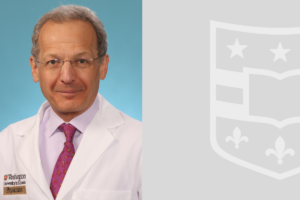
Samuel Klein, MD, the William H. Danforth Professor of Medicine and Nutritional Science at Washington University School of Medicine in St. Louis, has received the Endocrine Society’s Outstanding Clinical Investigator Award. The annual award recognizes an accomplished scientist who has made substantial contributions to the understanding of the progression and treatment of endocrine and metabolic […]
In battling obesity and prediabetes, combining exercise with weight loss is key (Links to an external site)

Researchers at Washington University School of Medicine in St. Louis have found that combining regular exercise with a 10% loss of body weight more than doubles sensitivity to insulin, compared with a 10% weight loss without exercise. Enhanced sensitivity to insulin has important health benefits and likely decreases the risk of Type 2 diabetes and […]
Weight loss: it’s not magic, it’s math (Links to an external site)

Obesity is a chronic disease affecting more than 40% of American adults. Losing even a little bit of excess weight can have very important clinical benefits, but knowing where to start can be challenging for many people. Washington University weight-loss specialist Samuel Klein, MD shares how the basics of your body’s energy balance – calories […]
Overeating isn’t fueling obesity, it’s too many carbohydrates in our diet, researchers say (Links to an external site)
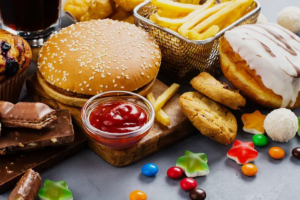
Results are not that successful,” said Dr. Samuel Klein, director of the Center for Human Nutrition at the Washington University School of Medicine in St. Louis.
Signs Your Abdominal Fat is “Dangerous” (Links to an external site)

If your waist measures 35 or more inches as a woman or 40 or more inches as a man, you may have a dangerous amount of abdominal fat—also known as visceral fat.
What we think we know about metabolism might be wrong (Links to an external site)
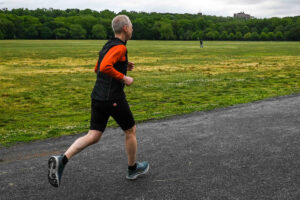
Controlling for factors like body size and muscle mass, researchers found that there are basically four phases of metabolic rates, and that a slowdown in adults doesn’t occur until after age 60.
Obesity doesn’t always mean ill health. Here’s what scientists are learning (Links to an external site)

Rethinking medical care: Dr. Samuel Klein and collaborators seek to understand how and why some obese individuals are able to retain metabolic and cardiovascular health.
Clinically relevant effects of anti-aging compound NMN found in people (Links to an external site)

In the first clinical trial of nicotinamide mononucleotide, School of Medicine researchers have found that the compound previously demonstrated to counteract aspects of aging and improve metabolic health in mice also has clinically relevant effects in people.
Significant weight loss has same metabolic effects on diabetics from surgery or diet alone (Links to an external site)
Study finds that metabolic benefits of weight loss in severely obese people are the same whether they lose excess pounds through dieting or surgery.